What Impactful Policy Work Looks Like
In an ideal world, government officials would simply act in the best interest of the public. They would gather input, weigh the evidence, and make decisions that benefit society as a whole.
But government officials are human beings, not idealized public servants. They want to keep their jobs, they want to avoid legal trouble, and they have an inner circle that advises them on what to do.
This means that successful influence over government policy generally requires at least one of three things:
Charities that have none of these will almost always find themselves ignored, regardless of how compelling their cause may be.
Political Connections
When a politician's phone rings, not all calls get returned. The ones that do tend to come from people they already know, trust, or want something from. That's the essence of political connections — access is not distributed equally, and relationships determine whose voice gets heard.
That's why many companies donate millions of dollars to politicians each year. They make these donations not out of the kindness of their hearts, but because they expect to make the money back in the form of political favors.
Voter Influence
Voter influence matters because politicians want to win elections. When an issue is important enough that voters will change who they vote for based on a politician's stance, politicians take notice.
The challenge for causes like farm animal welfare is that even when the public broadly supports them in the abstract, these issues rarely change who people actually decide to vote for. When election day arrives, voters are weighing their positions on healthcare, taxes, and economic policy. In contrast, very few voters cast their vote based on a candidate's stance on livestock regulations. This means that supporting animal welfare reform carries little electoral reward for politicians, especially when improving farm animal welfare may lead to higher food prices or job losses.
Note: collecting voter support can also matter for ballot initiatives, which were used to pass regulations like California's cage-free egg law.
Legal Leverage
Legal leverage matters because government officials are required to obey the law. Advocacy groups with strong legal footing can file lawsuits, force regulatory compliance, and create legal consequences for inaction.
This leverage generally scales with how serious the legal threat is. For example, the ACLU has significant legal leverage because they've won countless lawsuits and caused legal reform on the national scale. If the ACLU threatens a lawsuit, it is much scarier and creates much more leverage than if a brand new charity sends an email threatening legal action.
Conclusion
For any charity serious about advancing a cause through policy work, the honest starting question is: where does our leverage actually come from? Do we have strong political connections, voter influence, or legal power? If the answer is "no," doing policy work probably isn't going to have much of an impact.
Endnote
Unfortunately, it's very easy for charities to impress donors by advertising that they do "policy work" while actually contributing very little. The phrase sounds sophisticated, but in many cases it can mean something as trivial as sending an email, or writing a policy memo that no one reads.
This problem is worsened by the fact that after a government policy does change, any charity that engaged on the issue—even a charity that sent a single email—can claim credit. No one can prove that the charity's email didn't cause the policy change, making it safe for a charity to advertise their policy work as highly impactful.
Note: some charities also claim they have policy leverage because they are experts. However, expertise alone doesn't actually convey any leverage. A group of experts can say farm animals are harmed by small cages, but unless that finding generates voter pressure, creates legal pressure, or becomes something a political insider wants to champion, there's no reason for a politician to act on it. Truth doesn't substitute for leverage — it has to be channeled through one of the three mechanisms above to actually move policy.
To receive updates when we publish new articles, subscribe to our newsletter below for free.
Recommended Strategies for Helping Farm Animals
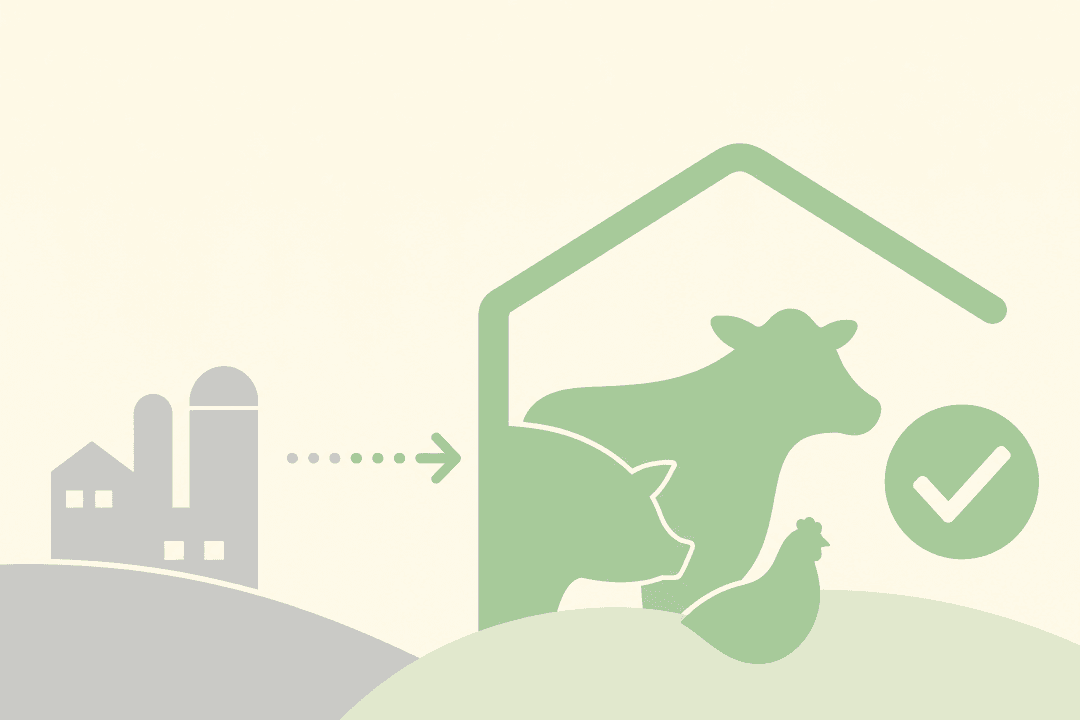
Providing Physical Resources
Factory farms have poor conditions because better conditions cost money. Offering physical resources to farmers can help change that.
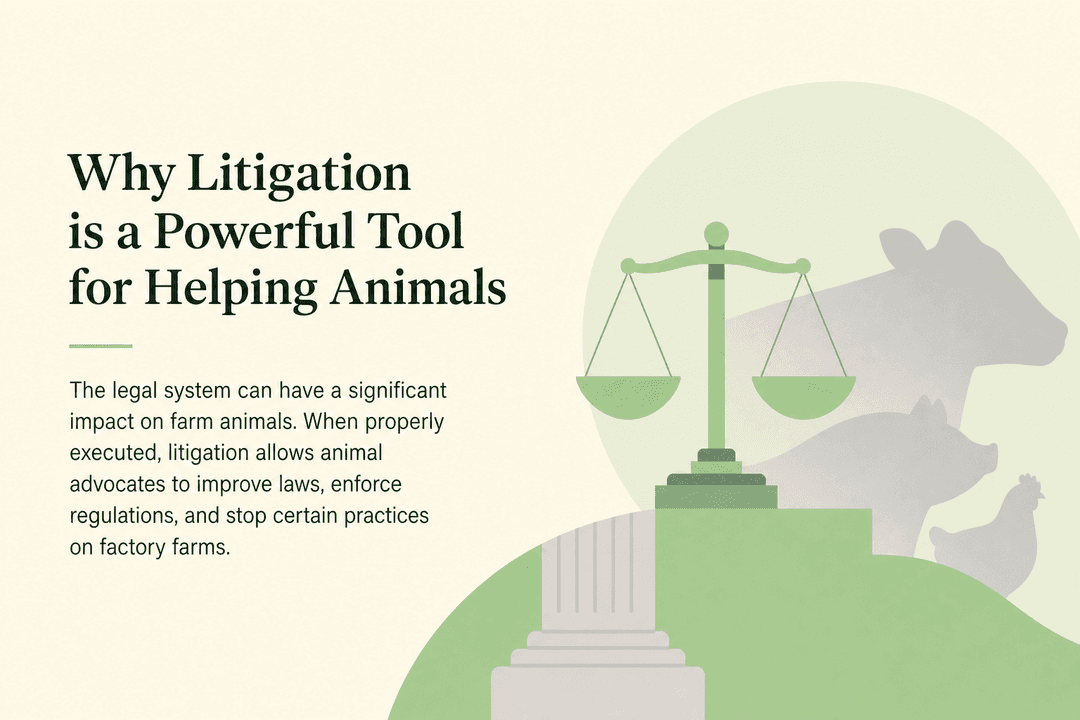
Litigation
The legal system can have a significant impact on farm animals. When properly executed, litigation allows animal advocates to improve laws, enforce regulations, and stop certain practices on factory farms.

Product Development
Many people think veganism is too demanding. By developing better products, we can help change that.
Related Articles
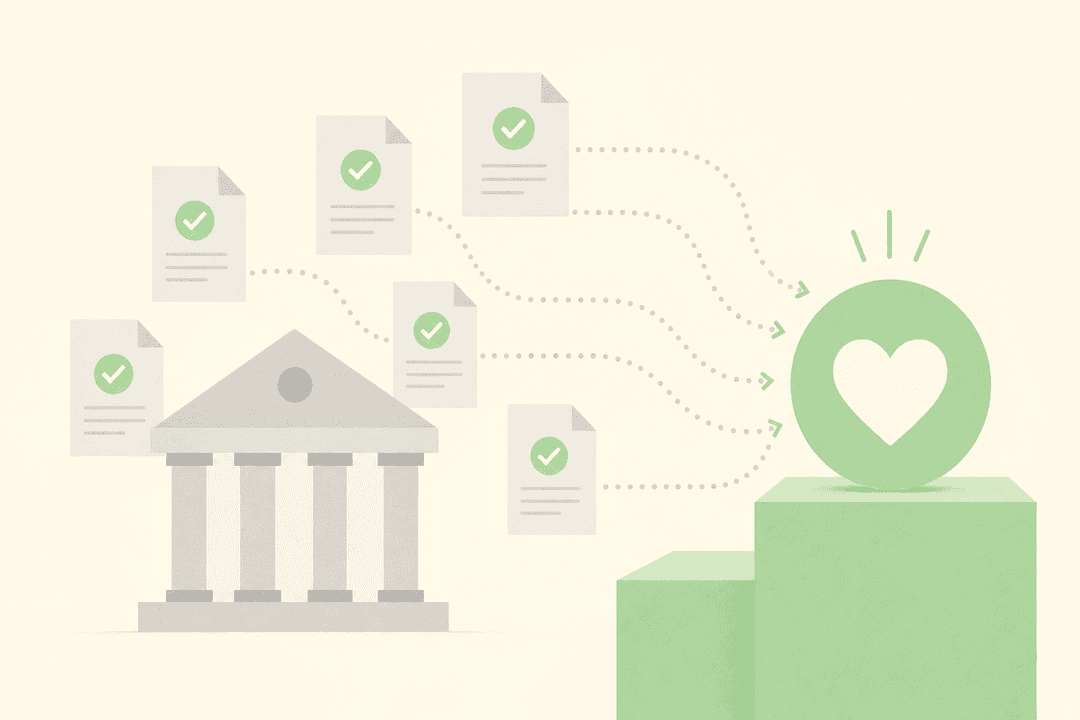
ACE Credits Charities for Policy Changes They Didn't Cause
Every year, thousands of institutions announce policies. ACE finds these policies, and credits charities for them.
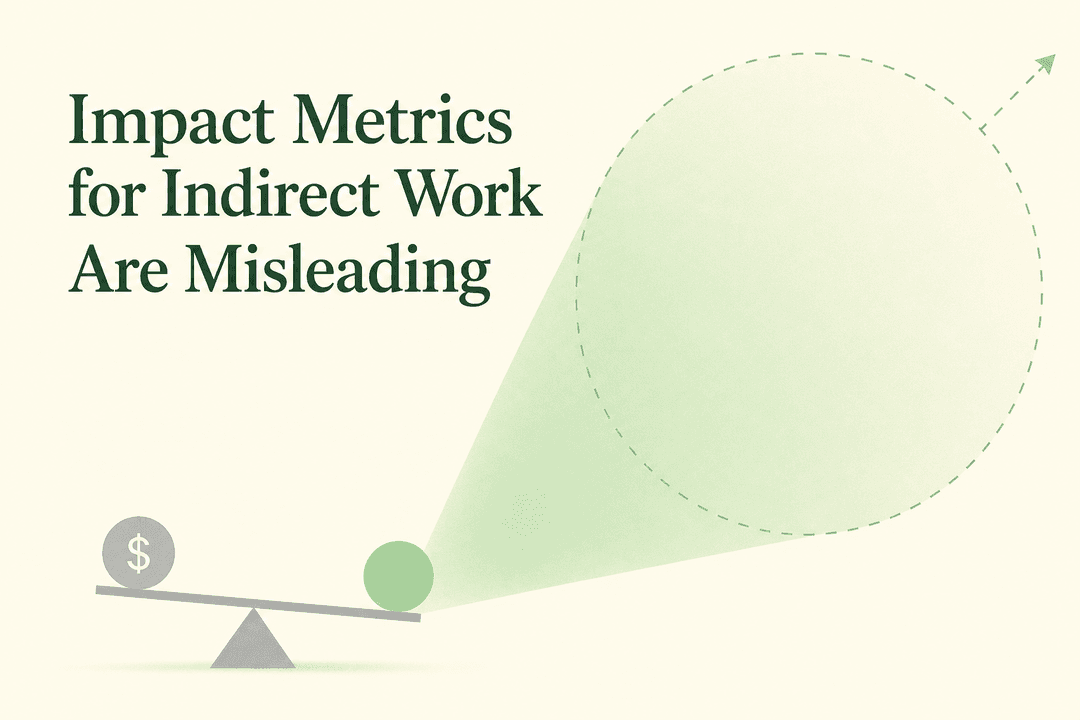
Impact Metrics for Indirect Work Are Misleading
Indirect actions cost little, and have unbounded impact that can't be proven false. This makes advertising impact metrics for indirect work a misleading practice.
$1 to Save Billions of Lives? The Fantasy Math Behind Effective Altruism
Any metric can be calculated by using fantasy math, and that's what EA is built on.