Corporate Campaigns Don't Make Sense Economically
Companies want to make money. Improving farm animal welfare costs money, so companies generally don't do it unless they expect to make the money back (such as from increased sales).
Charities claim they are causing companies to improve their animal welfare standards through an intervention called corporate campaigns, which typically involves:
- Contacting companies and threatening to draw attention to their farm animal welfare standards if they don't improve them; and
- Putting on costumes, yelling chants, and making online posts if companies don't give in to the threats.
According to charities, corporate campaigns give them massive amounts of leverage through reputational pressure. But in reality, these efforts carry very little weight because:
- The costumes, chants, and online posts do not attract significant public attention.
- The limited attention they do receive tends to come from people who are already concerned about farm animal welfare — many of whom do not purchase animal products.
- Reputational damage is only meaningful if it hurts profit. If vegans hate a meat company, this has no impact on the company's profit, since vegans wouldn't buy their products regardless.
Moreover, the vast majority of consumers make purchasing decisions based on factors like price, taste, and convenience—not animal welfare. If being associated with low animal welfare standards actually caused meaningful change in consumer behavior, the meat industry would already be humane. It doesn't, so instead we have a society where a small percentage of people boycott (vegans and vegetarians), and the rest of the population continues to buy more and more factory farmed meat every year.
In sum, corporate campaigns have close to zero impact on profit — and since companies make decisions based on profit, they can ignore corporate campaigns and use whatever animal welfare standards they already planned on using.
Note: some corporate campaigns target consumer businesses (like Walmart or Costco) rather than meat companies. However, the same issue applies: consumers aren't choosing between Walmart and Costco based on which one has better animal welfare policies. They're choosing based on factors like price, taste, and convenience.
What Actually Causes Companies to Make Animal Welfare Change?
When companies make animal welfare changes, charities are quick to claim their corporate campaigns caused them. However, a change following a campaign does not mean the campaign caused it. There are numerous reasons for companies to make animal welfare changes that are driven by simple economics. We've listed several below:
Reason
Example
Adhering to regulatory requirements to avoid fines or legal trouble.
California's ban on gestation crates.
Appealing to health-conscious consumers.
A majority of consumers believe that grass-fed beef is safer to eat than conventional beef.
Making food sound tastier.
A majority of consumers believe that cage-free eggs are tastier and higher quality than caged eggs.
In all of these cases, companies are changing their animal welfare policies because they think it will help them make more money.
Endnote: Corporate Campaigns That Focus on Reputational Rewards
Some corporate campaigns attempt to convince corporations to improve their animal welfare standards by praising companies with above average animal welfare policies, and hoping that the corporations will improve their policies to try and receive praise. However, this approach suffers from the exact same problems described above:
- The praise does not attract significant public attention.
- The limited attention the praise does receive tends to come from people who are already concerned about farm animal welfare — many of whom do not purchase animal products.
- Reputational rewards are only meaningful if they increase profit. If vegans love a meat company, this has no impact on the company's profit, since vegans won't buy their products regardless.
And as discussed above, the vast majority of consumers make purchasing decisions based on factors like price, taste, and convenience—not animal welfare. If being associated with high animal welfare standards actually caused meaningful change in consumer behavior, meat companies would be fighting to have higher welfare standards than their competitors. It doesn't, so instead we have a world where meat companies minimize animal welfare to undercut one another on price.
In sum, all forms of corporate campaigns have close to zero impact on profit — and since companies make decisions based on profit, they can ignore corporate campaigns and use whatever animal welfare standards they already planned on using.
To receive updates when we publish new articles, subscribe to our newsletter below for free.
Recommended Strategies for Helping Farm Animals
Providing Physical Resources
Factory farms have poor conditions because better conditions cost money. Offering physical resources to farmers can help change that.
Litigation
The legal system can have a significant impact on farm animals. When properly executed, litigation allows animal advocates to improve laws, enforce regulations, and stop certain practices on factory farms.

Product Development
Many people think veganism is too demanding. By developing better products, we can help change that.
Related Articles

ACE Credits Charities for Policy Changes They Didn't Cause
Every year, thousands of institutions announce policies. ACE finds these policies, and credits charities for them.
Impact Metrics for Indirect Work Are Misleading
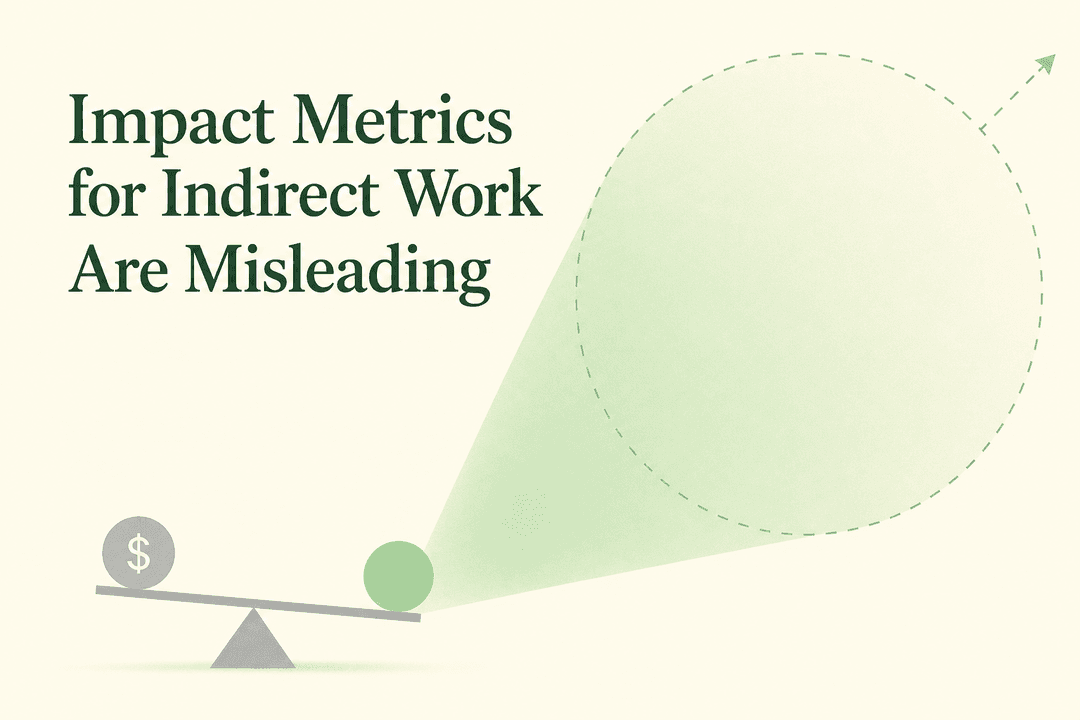
Indirect actions cost little, and have unbounded impact that can't be proven false. This makes advertising impact metrics for indirect work a misleading practice.
$1 to Save Billions of Lives? The Fantasy Math Behind Effective Altruism
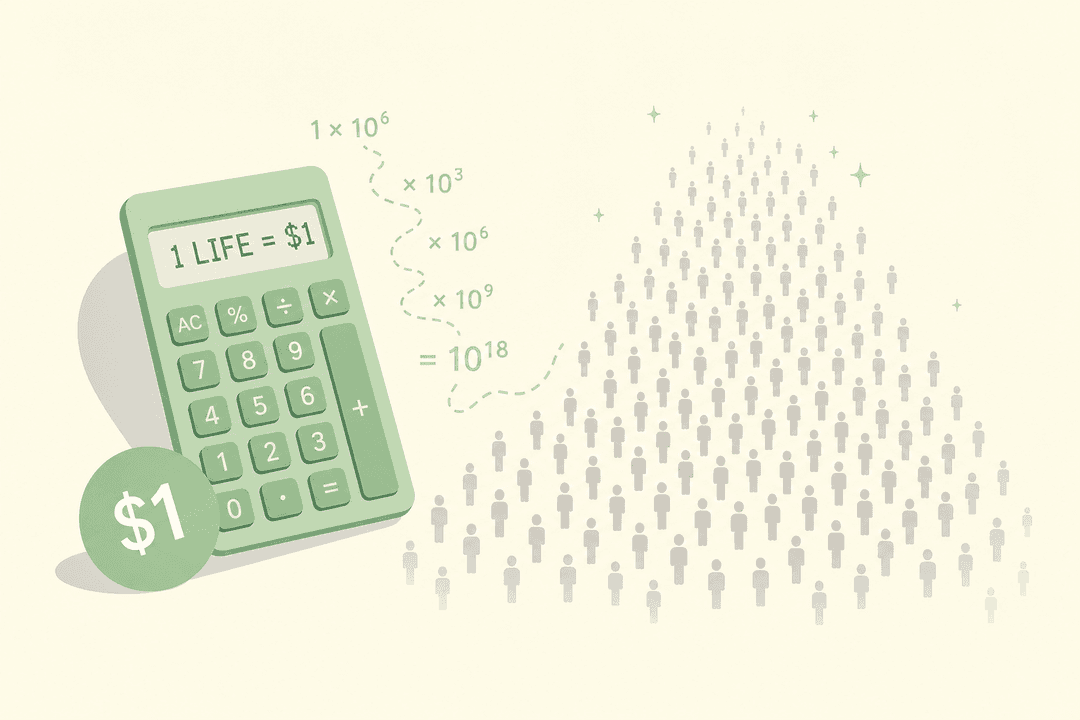
Any metric can be calculated by using fantasy math, and that's what EA is built on.
References
Note: see page 26.
Key Quote: "There is a discrepancy between the results of self-reported public concerns about farm animal welfare and the willingness to pay for welfare-friendly products, because the increase in the first is not reflected in the second, as only marginal or small price premium increases for farm animal welfare, in some cases not enough to cover the costs, are reported in some studies [62,99,104,105,106,107,108]. In Europe, only a minority (3%) is ready to pay increases more than 20%."