Too Much Money is Spent Filming Factory Farms
Footage of factory farming has played a crucial role in the modern animal protection movement. Without it, the public would remain largely unaware of the moral atrocities taking place on farms.
But while the value of footage is undeniable, there are currently too many resources being spent filming factory farms.
Problem 1: Most Footage Is Barely Being Seen
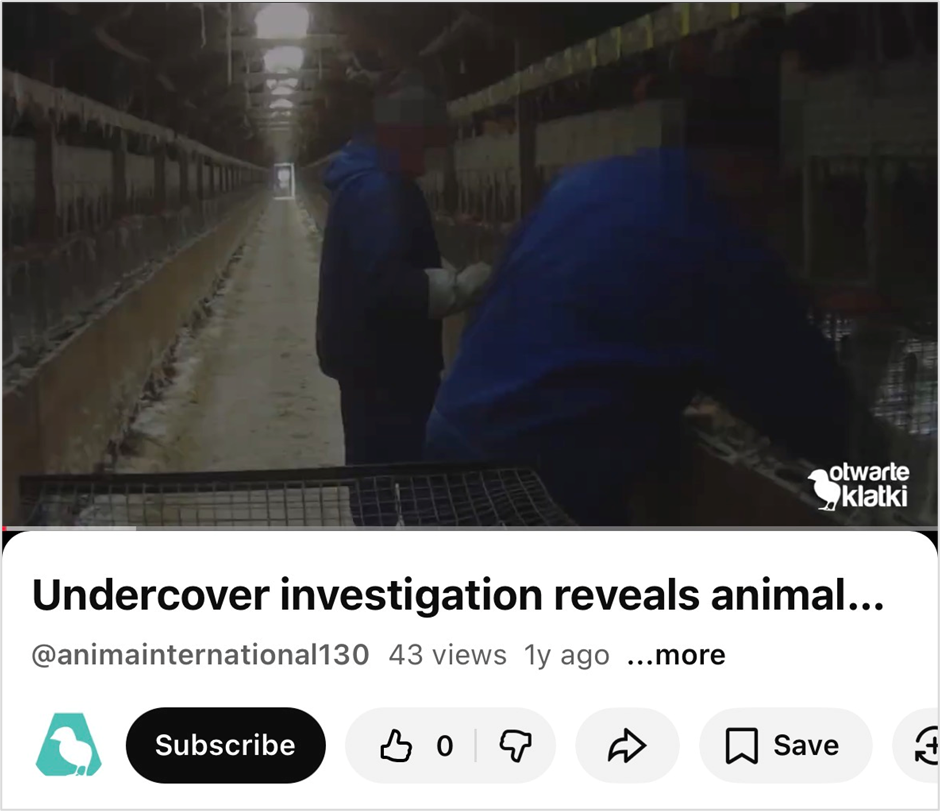
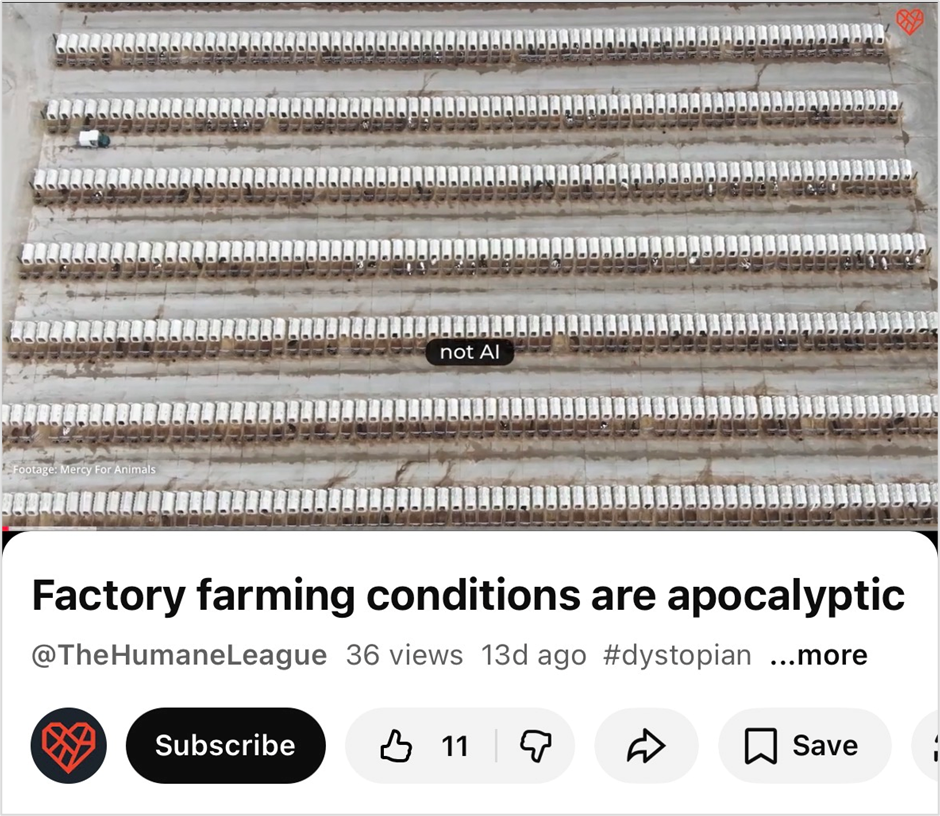
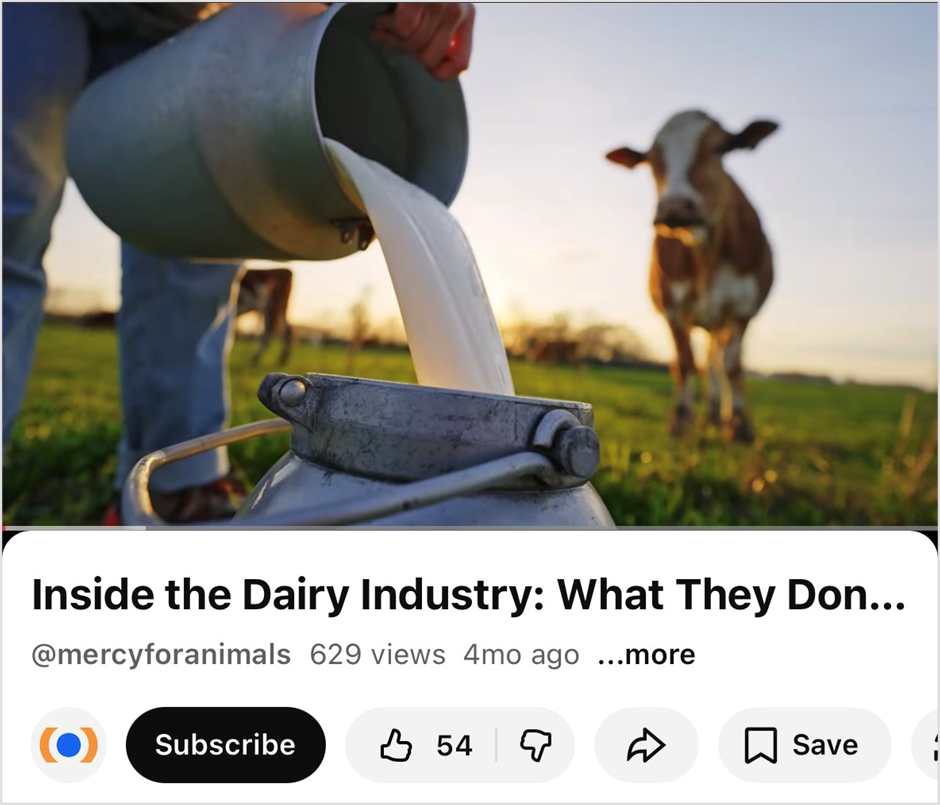
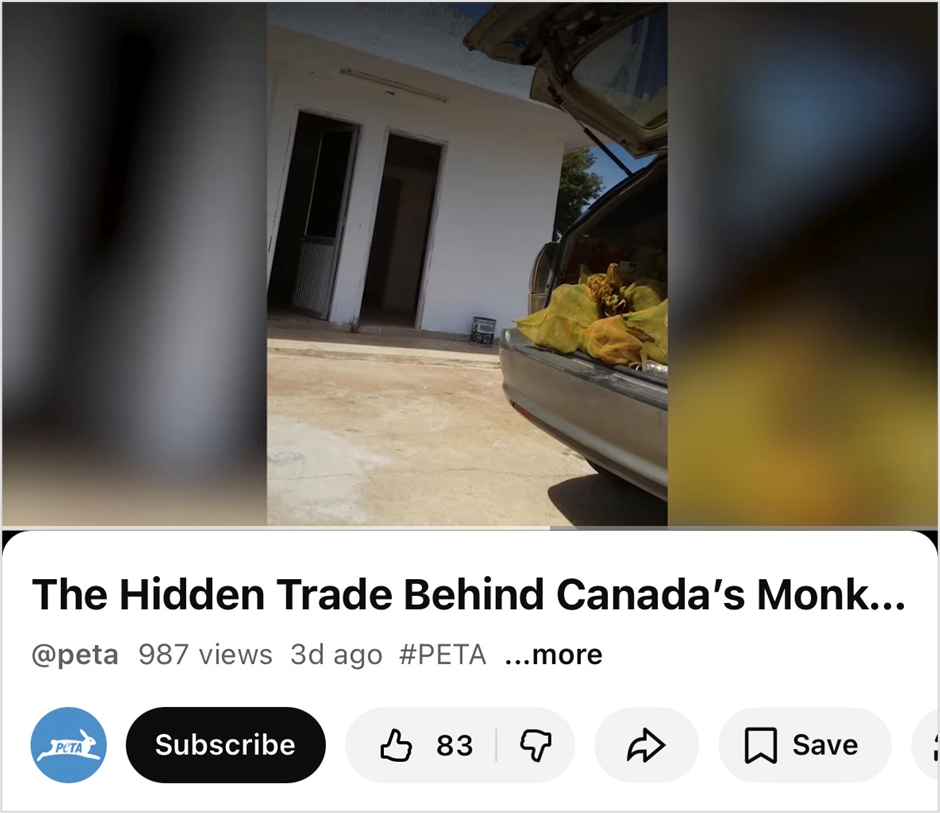
Below are 5 multi-million dollar animal charities and the view counts on their most recent factory farming video posted on YouTube (as of April 5, 2026):
Charity Name
View Count
Anima International
The Humane League
Sinergia Animal
Mercy for Animals
PETA
Footage only matters if people see it, and most footage is barely being seen.
Problem 2: Footage is Being Distributed to the Wrong People
After an animal charity collects footage, they usually post it on social media, and it's seen by their followers.
But people who follow animal protection groups are not a good target audience. Many of them already don't eat meat, and therefore do not support the practices being shown in the footage.
Meat eaters are the ones who should be shown the footage, since they are the ones who have the opportunity to stop supporting factory farming.
(Note: this problem is compounded by social media algorithms, which show content to people who already engage with similar material. This means that factory farming videos are disproportionately shown to people who already care about factory farming.)
Problem 3: New Footage is Almost Identical to Existing Footage
Nearly all footage shows the same problems: animals being stuffed in tiny enclosures, undergoing severe mistreatment, and being kept in horrible conditions. These practices are not the exception—they are the norm.
As a result, each new video yields less marginal value. Once there are 1000 examples of extreme confinement, the 1001st example does not reveal anything new.
The Solution: Invest More in Footage Distribution Instead of Footage Collection
The bottleneck isn't footage—there's already more than enough of it. The bottleneck is distribution.
Spending $20 on targeted Facebook ads can put existing factory farming footage in front of thousands of meat eaters who would otherwise never see it.
That's a better option than spending thousands of dollars to collect more footage that is nearly identical to what already exists, and that will probably struggle to reach meat eaters.
Should All Footage Collection Stop?
No, not all footage collection should stop. It remains important to collect some footage to show that the problems with factory farming are ongoing.
But the current saturation of footage collection—with numerous charities filming the same types of facilities using the same practices—means that less resources should be invested into it.
(Note: footage is also useful if it leads to change at the specific facility being filmed. However, most charities do not provide evidence that change like this is happening, as this generally requires either (1) a follow-up investigation showing that conditions improved, or (2) successful legal action being taken against the facility. The only charity we've seen that regularly provides evidence like this is Animal Outlook.)
To receive updates when we publish new articles, subscribe to our newsletter below for free.
Recommended Strategies for Helping Farm Animals
Providing Physical Resources
Factory farms have poor conditions because better conditions cost money. Offering physical resources to farmers can help change that.
Litigation
The legal system can have a significant impact on farm animals. When properly executed, litigation allows animal advocates to improve laws, enforce regulations, and stop certain practices on factory farms.

Product Development
Many people think veganism is too demanding. By developing better products, we can help change that.