The Problems With Traditional Advocacy Charities (PAOs)
A Paid Advocacy Organization (PAO) is an organization that receives money to carry out traditional forms of advocacy such as yelling chants, holding up signs, and posting on social media. While PAOs may appear to be powerful forces for shifting people's views and creating pressure for change, there are major structural issues that cause them to be underwhelming.
Issue 1: PAOs Make Money by Preaching to the Choir
The goal of activism should be to appeal to people outside of your own movement. But PAOs are incentivized to do the exact opposite.
Consider two animal rights social media posts, each with 10,000 views:
- Post A is seen only by committed animal rights supporters. No minds change, but because the viewers already love animal rights, many of them end up donating.
- Post B is seen by people who are indifferent to animal rights. Some minds shift, but since none of them are passionate about animal rights, none of them end up donating.
The result is perverse: ineffective advocacy is rewarded, while impactful advocacy is punished. And over time, the impactful advocates go out of business, while the ineffective ones build a massive donor base.
Issue 2: PAOs Are Rewarded for Flashy Work, Not Effective Work
PAOs secure funding by convincing donors of their impact. But donors generally can't verify whether claimed impact is real.
As a result, PAOs are incentivized to optimize for appearing impactful, not being impactful. This disparity frequently results in symbolic work that has little impact.
For example, consider a common PAO intervention: holding up signs on the side of the road. Doing this allows a PAO to take a bunch of pictures. These pictures can then be shown to their supporters on social media with captions talking about how they need support in "fighting factory farming from the front lines."
Even if the signs were only seen by a small number of people and had no impact, the pictures and captions look powerful. And if a company later changes their policies, the PAO can claim they "pressured the company to change" and that their protest helped millions of animals.
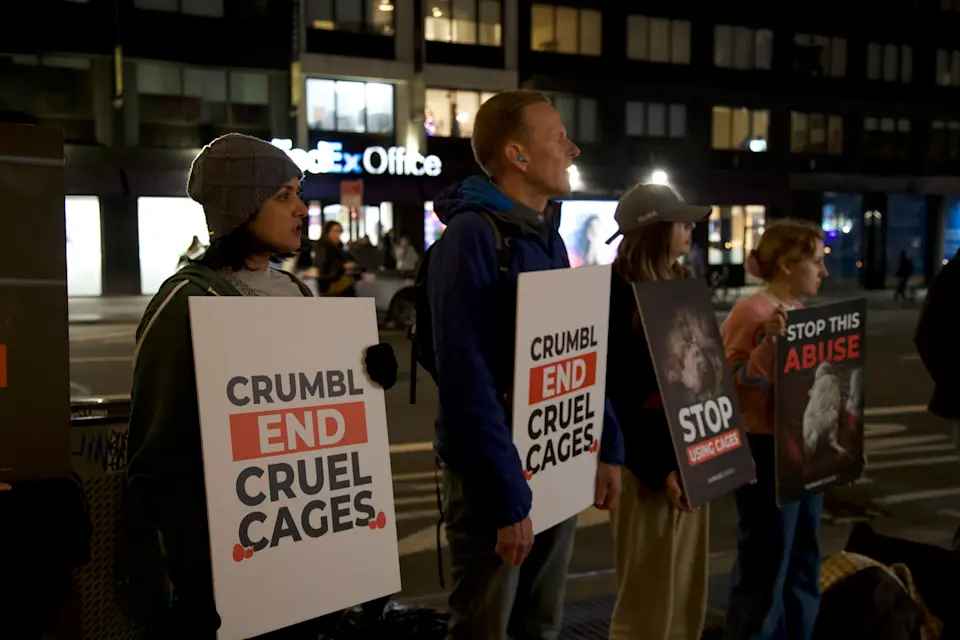
Contrast this with buying YouTube ads. Buying YouTube ads is an extremely effective way to spread a message, and could be used to show millions of people the cruelty that takes place on factory farms. However, if a charity does this, they won't have flashy pictures they can show to donors, and the narrative of "Give us money to buy more YouTube ads" is not very compelling to donors. Thus, even though ads can reach millions of people in the target audience at a relatively low price, they don't create the appearance of impact, so PAOs rarely use them (except to raise money for themselves).
Is All Advocacy Bad?
No, not all advocacy is bad. What is bad is the incentive structure surrounding PAOs, which leads them to:
- preach to the choir;
- use tactics that appear good instead of ones that are good; and
- make exaggerated impact claims.
Advocacy can be a very powerful tool for change, but PAOs are structured to do it poorly.
To receive updates when we publish new articles, subscribe to our newsletter below for free.
Recommended Strategies for Helping Farm Animals
Providing Physical Resources
Factory farms have poor conditions because better conditions cost money. Offering physical resources to farmers can help change that.
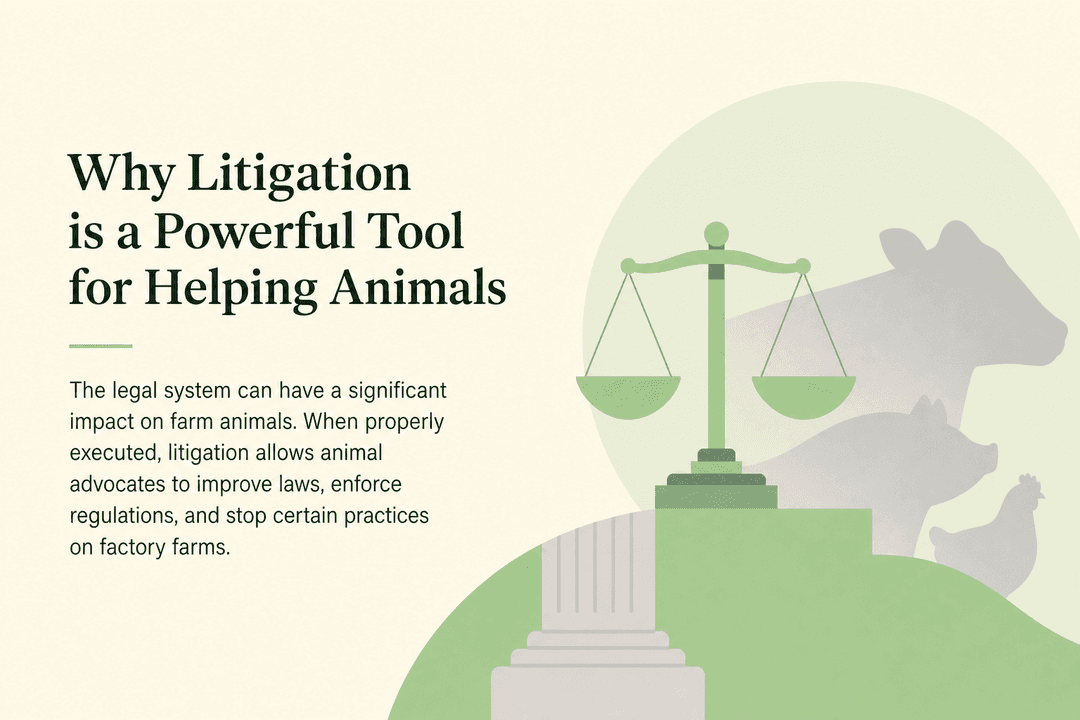
Litigation
The legal system can have a significant impact on farm animals. When properly executed, litigation allows animal advocates to improve laws, enforce regulations, and stop certain practices on factory farms.

Product Development
Many people think veganism is too demanding. By developing better products, we can help change that.
Related Articles
Stating Values is Easy, Having Impact is Hard
Anyone can say they care about animals. Therefore, charities can do this even if they are completely incompetent at helping animals.
Identifying Effective Strategies Against Factory Farming
In order to fix factory farming, we first have to understand why it exists.