Identifying Effective Strategies Against Factory Farming
In economics, a race to the bottom is when businesses compete to offer lower prices by making standards worse. In factory farming, this dynamic plays out brutally.
Companies are under constant pressure to reduce costs in order to offer cheaper meat. If one company cuts costs by cramming more animals into smaller spaces, others must follow or risk losing market share.
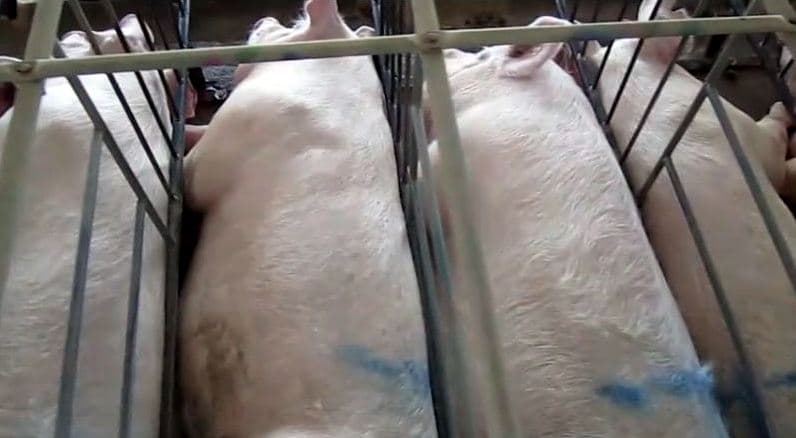
Companies don't want to raise animal welfare standards, because that means raising prices. And unfortunately, consumers care more about prices than animal welfare standards.
What This Means for Animal Advocates
When analyzing strategies, we have to consider how the strategy functions within this system. Does the strategy alter the race to the bottom dynamic? If not, it will probably struggle to have an impact.
Below, we've listed examples of strategies that alter the race to the bottom dynamic:
- Passing Animal Welfare Laws: If companies are legally required to maintain certain animal welfare standards, this changes how low the race to the bottom is able to go.
- Alt Protein Development: Better alternative protein products can reduce demand for factory-farmed meat.
- Providing Animal Welfare Equipment: Supplying companies with free animal welfare equipment (like stunning technology for slaughterhouses) removes the financial incentive to avoid acquiring the equipment.
To receive updates when we publish new articles, subscribe to our newsletter below for free.
Recommended Strategies for Helping Farm Animals
Providing Physical Resources
Factory farms have poor conditions because better conditions cost money. Offering physical resources to farmers can help change that.
Litigation
The legal system can have a significant impact on farm animals. When properly executed, litigation allows animal advocates to improve laws, enforce regulations, and stop certain practices on factory farms.

Product Development
Many people think veganism is too demanding. By developing better products, we can help change that.
Related Articles
Product Development
Many people think veganism is too demanding. By developing better products, we can help change that.
Providing Physical Resources
Factory farms have poor conditions because better conditions cost money. Offering physical resources to farmers can help change that.
Litigation
The legal system can have a significant impact on farm animals. When properly executed, litigation allows animal advocates to improve laws, enforce regulations, and stop certain practices on factory farms.