Farm Animal Sanctuaries Do Great Work — But the Costs Are Too High
In a perfect world, every farm animal could be saved and allowed to spend their lives in a sanctuary. But the problem is, animal sanctuaries are extremely expensive to operate, which means they are only able to help a small number of animals even with millions of dollars in funding.
For example, the largest farm animal sanctuary in the United States is called Farm Sanctuary. In 2023, Farm Sanctuary had 611 animal residents and total expenditures of $15.5 million. And even if we deduct Farm Sanctuary's spending on outreach and advocacy, their remaining 2023 expenditures were still over $9.2 million.
This means that on average, a donor had to give over $15,000 to Farm Sanctuary for them to care for one animal for one year. And since most animals live for multiple years, the donations needed for a single animal can easily exceed $100,000.
To put into perspective how expensive this is, a backyard chicken can be taken care of for less than $100 per year.
Some people may defend this by saying that farm sanctuaries create footage of happy animals, which inspires people to go vegan. However, there are already thousands of hours of footage showing happy chickens, pigs, and cows — posted for free by people who keep them as companions. If thousands of hours of footage are insufficient to inspire someone to go vegan, it's unclear why creating additional footage would help.
Others may argue that sanctuaries allow people to visit animals in person, which can also inspire change. But if that's the goal, it doesn't explain why farm sanctuaries are scaling up to hundreds of animals. A small sanctuary could serve the same purpose, and cost significantly less.
Conclusion
Spending over $100,000 to maximize the happiness of a single pig isn't a fair distribution of resources when other animals are suffering and receiving no help at all.
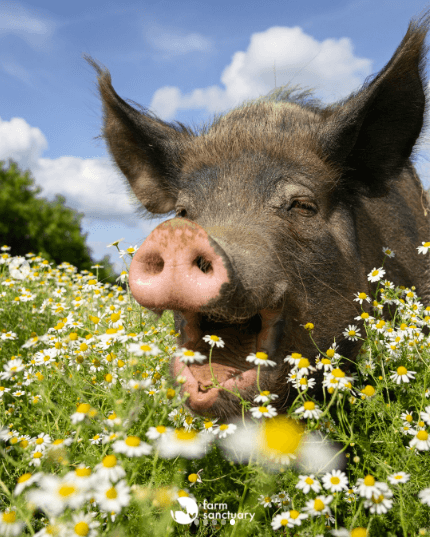
This isn't putting any blame on the pig. It's simply acknowledging that there's a limited amount of resources to go around, and the money spent caring for her could've been used to help numerous other animals instead.
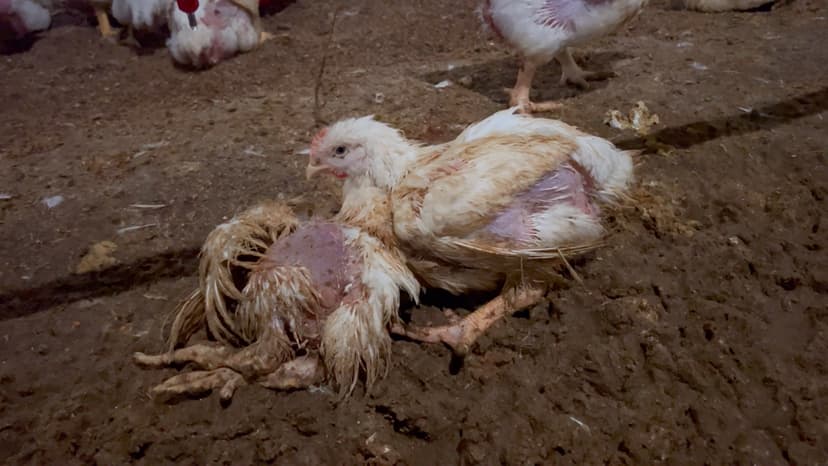
Most animals who suffer will never be seen, but they still matter too.
Endnote
Individual farm sanctuaries vary in terms of efficiency, but the intervention as a whole is not an affordable way to help animals at scale.
For context, in the United States a rotisserie chicken can be bought for $5.
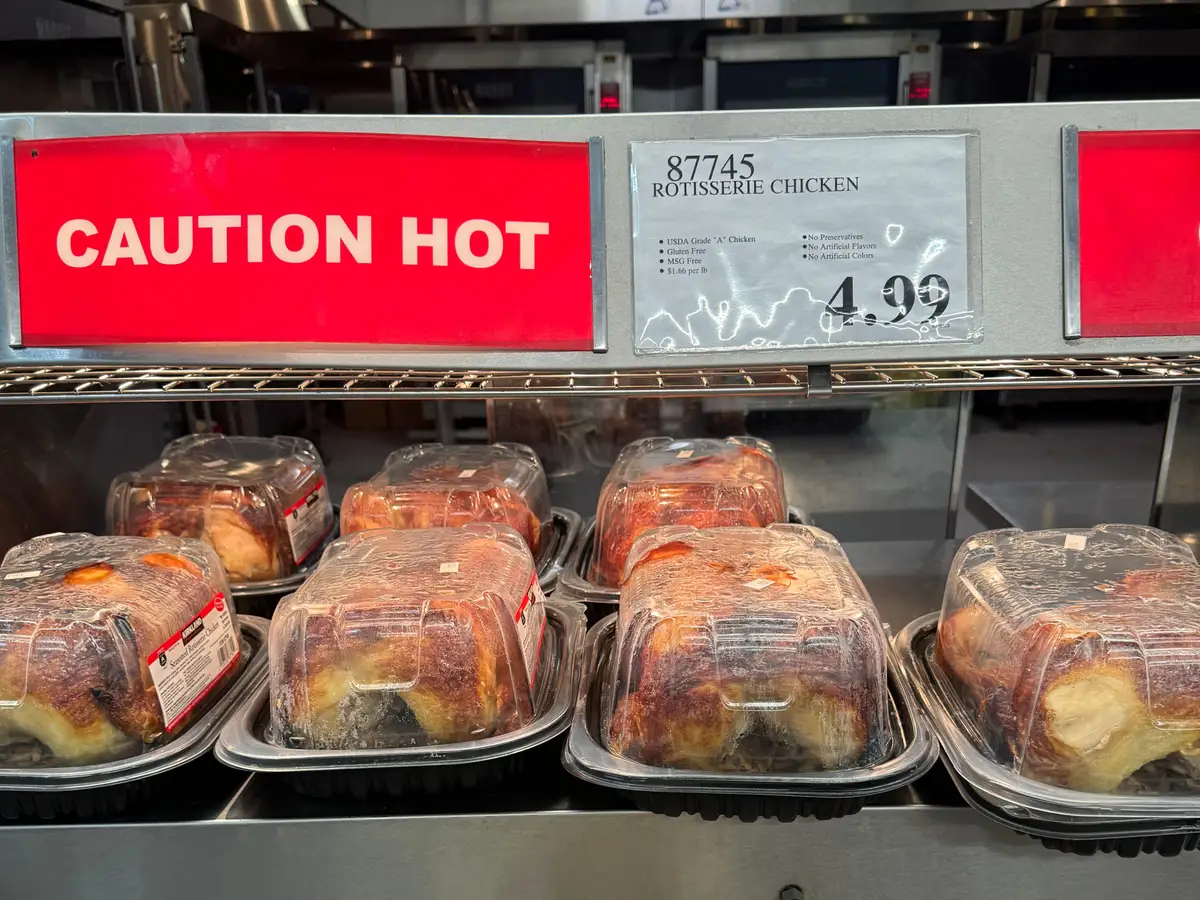
If an intervention costs over 10 times that to help one animal, it is difficult for it to be a scalable solution.
Overall, the problem isn't that farm sanctuaries are doing bad work. The problem is that their operational costs are too high.
To receive updates when we publish new articles, subscribe to our newsletter below for free.
Recommended Strategies for Helping Farm Animals
Providing Physical Resources
Factory farms have poor conditions because better conditions cost money. Offering physical resources to farmers can help change that.
Litigation
The legal system can have a significant impact on farm animals. When properly executed, litigation allows animal advocates to improve laws, enforce regulations, and stop certain practices on factory farms.

Product Development
Many people think veganism is too demanding. By developing better products, we can help change that.
Related Articles
References
Expenses for 'Rescue Shelter and Adoption' were $5,840,766 while expenses for support services (management and fundraising) were $5,834,599. This adds up to $11,675,365, but to be fair to Farm Sanctuary, a deduction could be made to account for management and fundraising supporting Farm Sanctuary's other programs. If this deduction is done proportionally to each program's cost, the cost drops to $9,224,882.
According to Farm Sanctuary, pigs can live to be 20 years old.