A Bad Strategy Makes Everything Else Irrelevant
In our charity reviews, we oftentimes only address the strategy a charity is using, and do not address specific details about their operations. This is because if a charity's strategy is bad, then all other details about the charity are irrelevant.
To illustrate why this is the case, let's consider an example of a bad strategy and the implications of using it.
Example: A Bad Strategy in Action
Many organizations exist that are centered around astrology—the practice of trying to predict human events based on the position of stars and planets. Some of these organizations are well-run, while others are completely incompetent.
However, all of these astrology organizations have one thing in common: they are using a strategy that doesn't work.
Even if the most talented people in the world ran an astrology organization, they would still fail to produce good outcomes. This is because astrology itself is fundamentally flawed, and no amount of skill or resources can change that.
The strategy itself is bad, making additional details about the organization irrelevant.
How This Impacts Our Charity Assessments
Bad strategies are always bad, regardless of what charity is using them. When multiple charities adopt the same flawed strategy, our assessments naturally highlight identical concerns. This similarity isn't accidental—it accurately reflects our consistent criticism of the flawed strategy shared by these charities.
It's like organizations that are centered around astrology. They all share the same fatal flaw: astrology doesn't work.
If we were reviewing astrology orgs, we'd simply explain why astrology doesn't work, and that same explanation would apply across the board.
To receive updates when we publish new articles, subscribe to our newsletter below for free.
Related Articles
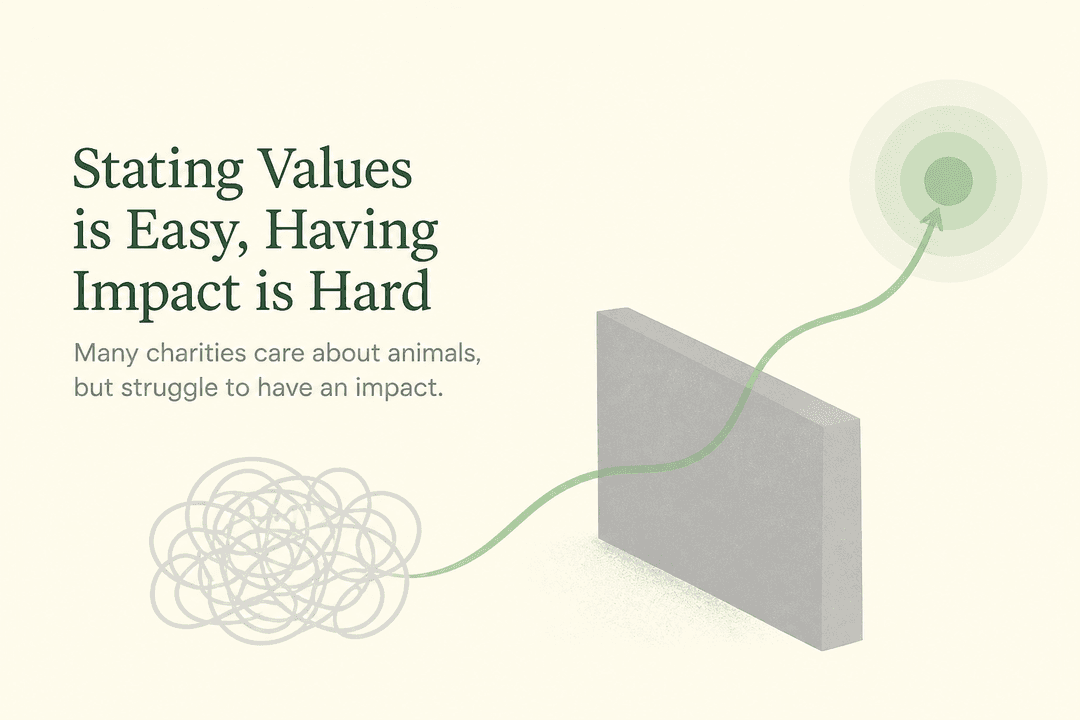
Stating Values is Easy, Having Impact is Hard
Anyone can say they care about animals. Therefore, charities can do this even if they are completely incompetent at helping animals.
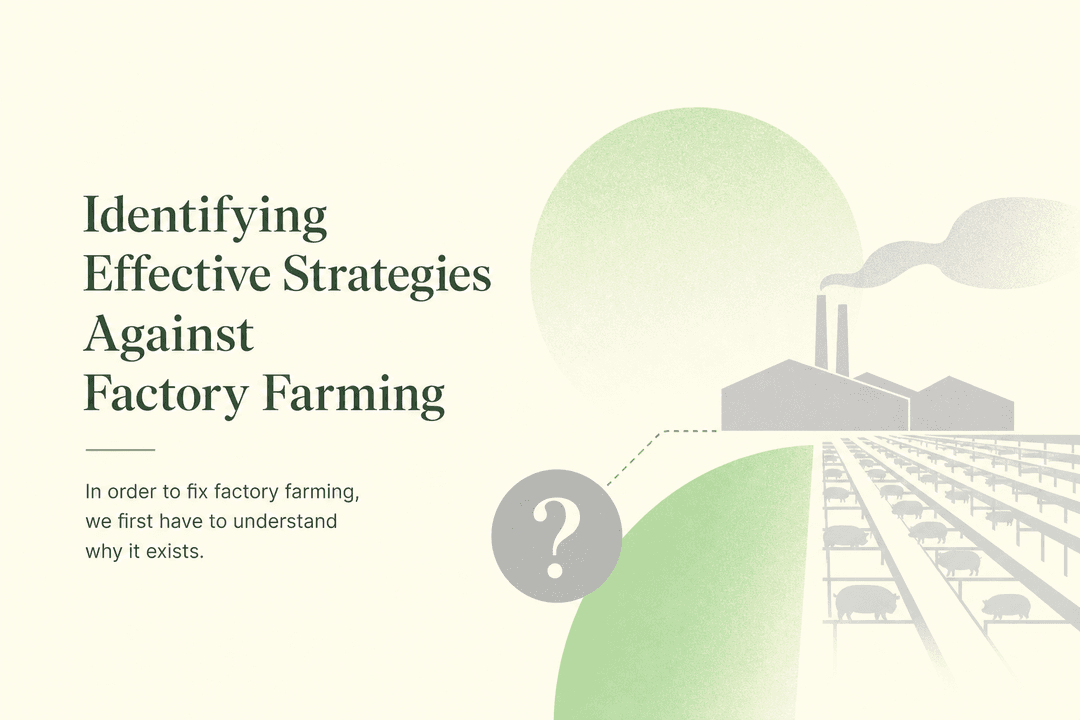
Identifying Effective Strategies Against Factory Farming
In order to fix factory farming, we first have to understand why it exists.

Why Donors Get Fooled: 5 Principles Every Donor Should Understand
Many donors want to help others, but struggle to have an impact. If you want your donations to actually make a difference, here are 5 key principles every donor should understand.
Recommended Strategies for Helping Farm Animals

Providing Physical Resources
Factory farms have poor conditions because better conditions cost money. Offering physical resources to farmers can help change that.
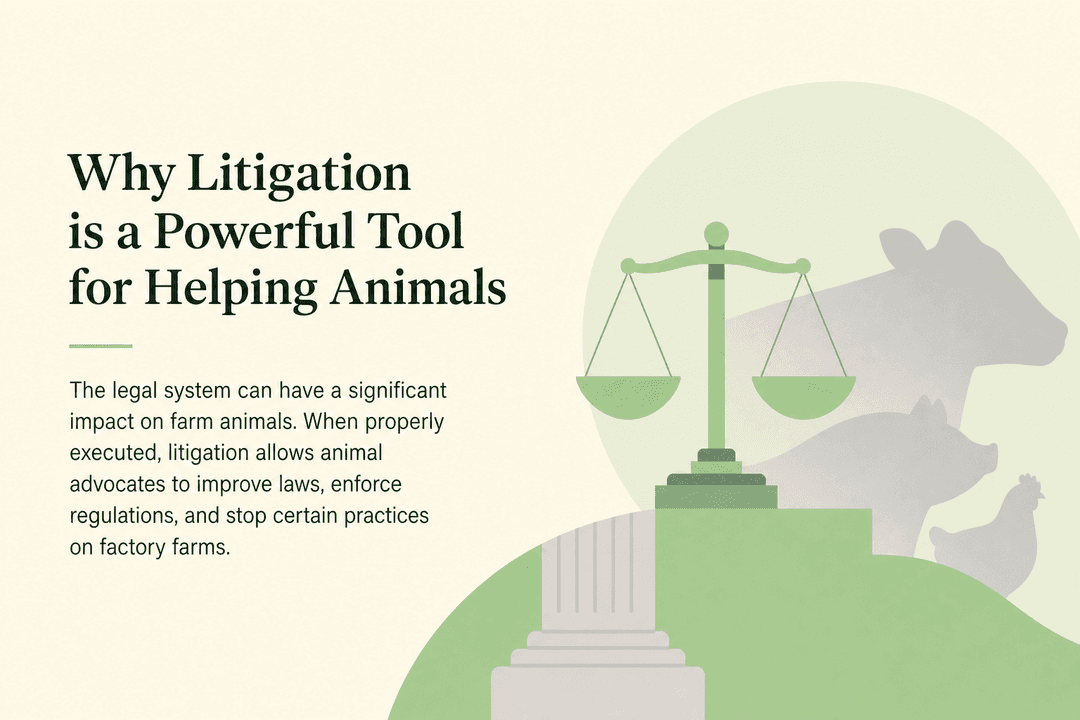
Litigation
The legal system can have a significant impact on farm animals. When properly executed, litigation allows animal advocates to improve laws, enforce regulations, and stop certain practices on factory farms.

Product Development
Many people think veganism is too demanding. By developing better products, we can help change that.